
Heeter v. James: New York Body Armor Ban Ruling Explained
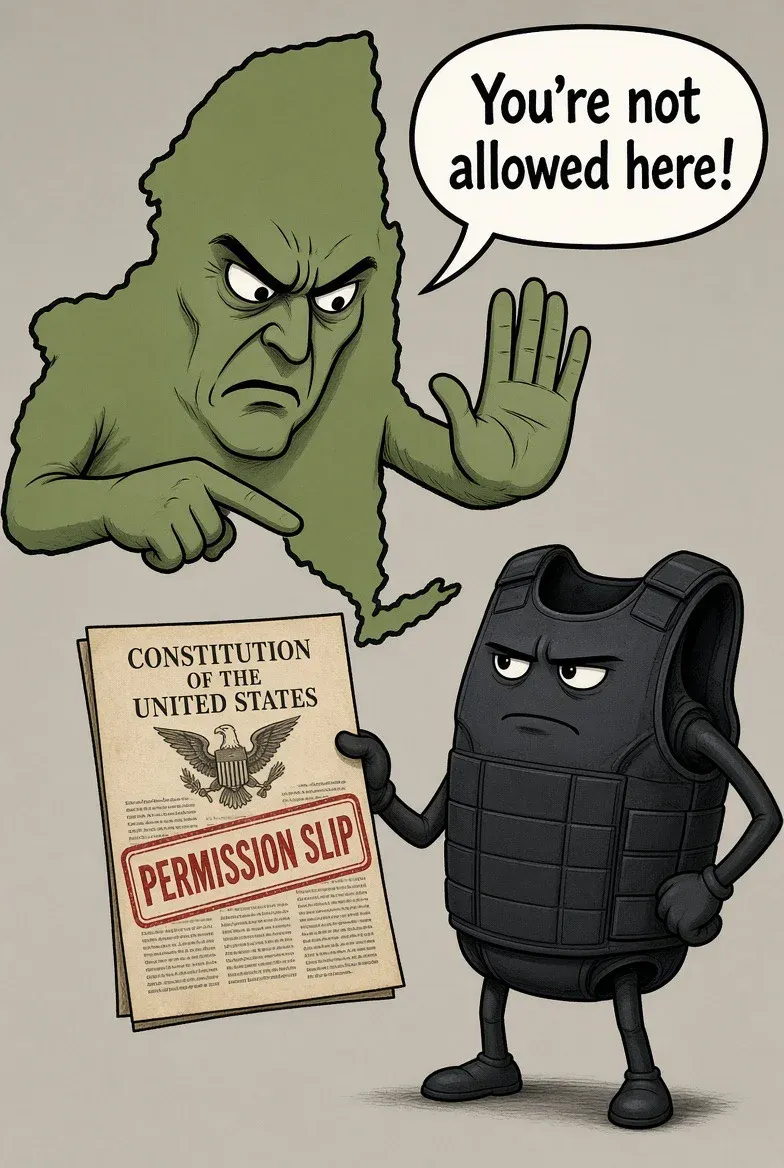
For years, New York residents have faced restrictions on purchasing body armor for personal protection. A federal lawsuit, Heeter v. James, challenged those restrictions on constitutional grounds. On October 21, 2026, that challenge produced a significant ruling.
The United States District Court for the Western District of New York ruled that body armor falls within the Second Amendment’s protection and granted summary judgment to the plaintiffs. The court also ordered a permanent injunction against enforcement of the challenged restrictions, while temporarily staying its order for 14 days to allow the state an opportunity to appeal.
This decision raises an important question: Does the constitutional right to keep and bear arms extend beyond firearms to equipment designed to protect the person wearing it?
What Is Heeter v. James?
Heeter v. James is a federal civil rights lawsuit challenging New York’s restrictions on the purchase and sale of body armor.
The case was brought by the Firearms Policy Coalition and individual New York residents who wanted to purchase protective armor for lawful self-defense. They argued that New York’s restrictions violated the Second Amendment.
New York enacted its body armor restrictions in 2022. Under the challenged provisions, ordinary residents generally could not purchase body armor unless they qualified under specified occupational exemptions. The law also restricted sales to individuals who were not eligible to purchase it.
The plaintiffs argued that these restrictions burdened their constitutional rights by preventing law-abiding citizens from acquiring defensive equipment.
The Constitutional Question: What Counts as an “Arm”?
The Second Amendment protects the right to keep and bear arms. But the meaning of the word arms has been central to debates over which weapons and related items receive constitutional protection.
In Heeter v. James, the court examined whether defensive body armor falls within that protection.
The court relied in part on the Supreme Court’s Second Amendment analysis in District of Columbia v. Heller, which discussed historical definitions of arms that included both weapons of offense and armor used for defense.
The court concluded that body armor qualifies as an arm under the Second Amendment’s plain text.
That distinction matters. If an item falls within the amendment’s protection, the government must justify its regulation under the constitutional framework established by the Supreme Court.
Why Historical Tradition Matters
In New York State Rifle & Pistol Association v. Bruen (2022), the Supreme Court established a framework requiring the government to demonstrate that a challenged firearms regulation is consistent with the nation’s historical tradition of firearm regulation.
The court applied that framework in Heeter v. James.
New York relied on historical restrictions, including English laws and regulations from periods long before the founding of the United States. The court found those examples insufficient to establish the required historical tradition supporting New York’s modern body armor restrictions.
The court also considered arguments about whether body armor qualifies as dangerous and unusual. It rejected the state’s position in this case, pointing to evidence of civilian ownership and the absence of comparable general bans across most other states.
The result was a ruling that New York had not met its burden of justifying the challenged restrictions under the Second Amendment.
Why This Case Matters Beyond Firearms
Personal protection is not limited to the ability to carry a firearm.
People use different tools and strategies to protect themselves, their families, and their property. Body armor serves a defensive purpose by reducing the risk of injury from certain ballistic threats, depending on the armor’s design, rating, condition, and the ammunition involved.
The case asks whether the government can broadly restrict access to that protective equipment without satisfying constitutional requirements.
The court’s decision could influence future legal disputes over defensive equipment and the scope of the Second Amendment. Its broader significance will depend on subsequent proceedings, including any appeal and how other courts address similar questions.
Does the Ruling Mean New Yorkers Can Buy Body Armor Right Now?
The ruling is significant, but its immediate legal effect requires careful attention.
On October 21, 2026, the court granted the plaintiffs summary judgment and ordered a permanent injunction. However, the court also stayed its order for 14 days to give New York an opportunity to appeal.
That temporary stay matters. Readers should not assume that the ruling immediately removes every legal restriction or that all related laws have changed.
The case also does not eliminate separate laws prohibiting the use of body armor while committing violent crimes.
Before purchasing body armor, New York residents should verify the current status of the injunction, any appeal or subsequent court order, and the applicable state and federal laws. A court decision can change the legal landscape, but the procedural details determine when and how that change takes effect.
What Responsible Personal Protection Looks Like
At Oak Arms Training Group, we believe responsible personal protection begins with education, preparation, and an understanding of the law.
Firearm ownership and concealed carry are serious responsibilities. Training should include safe firearm handling, situational awareness, conflict avoidance, secure storage, and an understanding of the legal obligations that accompany carrying a firearm.
Protective equipment can be part of a broader personal safety plan, but no piece of equipment guarantees safety. Body armor has limitations, and its protective capabilities depend on the specific threat and the equipment being used.
The larger lesson from Heeter v. James is that constitutional questions surrounding personal protection deserve careful examination, informed discussion, and an accurate understanding of the law.
Final Thoughts
Heeter v. James represents a significant federal court decision concerning the relationship between defensive body armor and the Second Amendment.
The court concluded that body armor qualifies as a constitutionally protected arm and that New York had failed to justify the challenged restrictions under the applicable historical-tradition framework.
The ruling opens an important chapter in the legal debate over defensive equipment and constitutional rights. Its practical impact will depend on the next steps in the case and the legal status of the court’s injunction.
For New Yorkers interested in personal protection, staying informed is part of being responsible.
Disclaimer: This article provides general educational information and is not legal advice. Laws and court orders can change. Consult a qualified attorney regarding your individual circumstances.