
Federal Judge Blocks Connecticut Glock Ban: What It Means
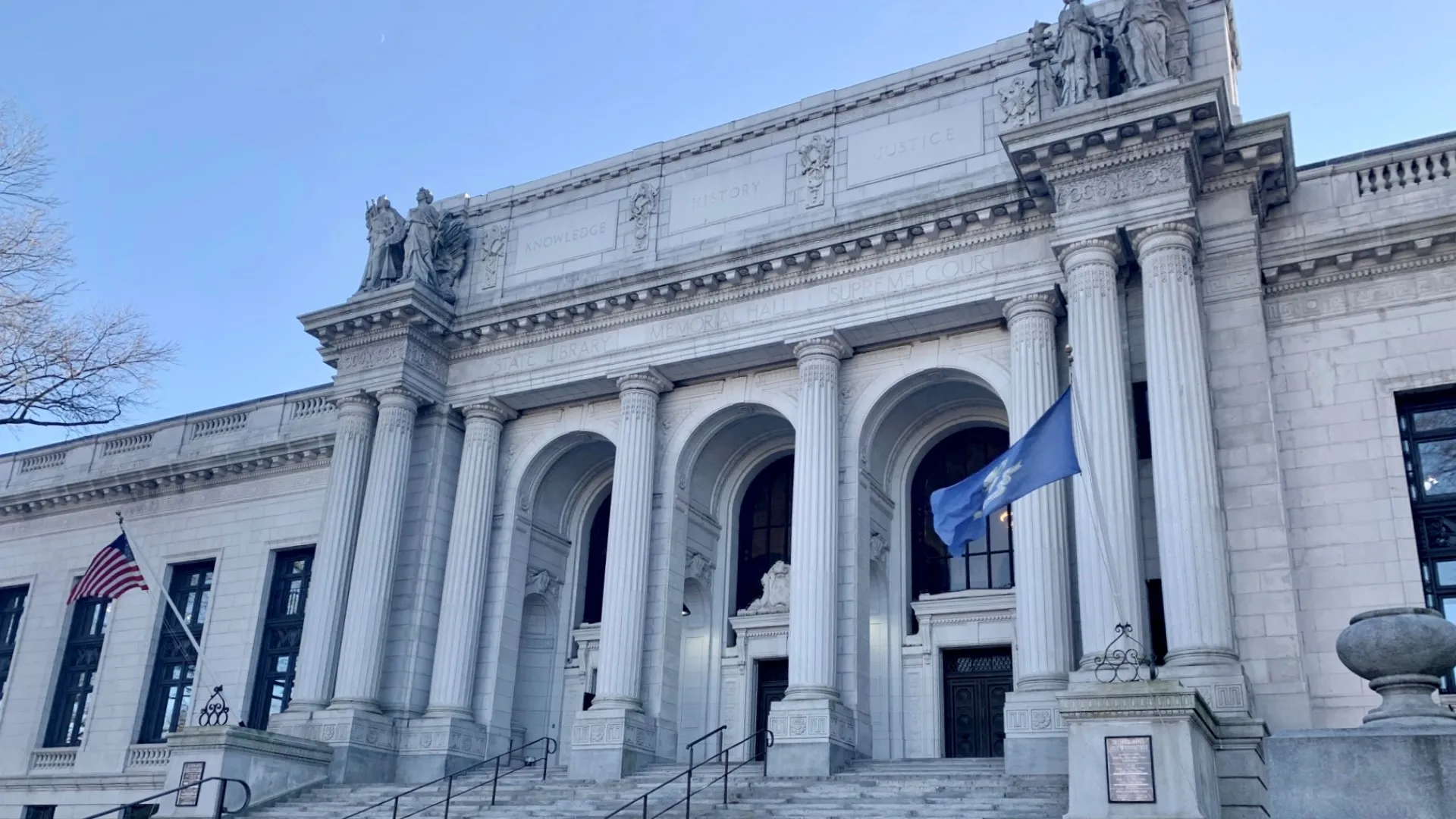
Federal Judge Halts Connecticut Glock Ban
In a significant win for gun rights supporters, a federal judge blocked central parts of Connecticut’s extensive new handgun limits.
On September 30, 2026, U.S. District Judge Kari A. Dooley issued a preliminary injunction pausing enforcement of the sales ban just one day before it was scheduled to start.
Here is what you need to know about the decision.
What Was the Law Trying to Do?
Governor Ned Lamont signed House Bill 5043 into law earlier this year.
Lawmakers stated they aimed to prevent illegal full auto switches. However, the law’s wording targeted a standard internal part called a cruciform trigger bar.
Banned the sale, importation, and advertising of handguns built with this design starting October 1, 2026.
Applied to over 500,000 handguns sold each year in the United States, including popular pistols made by Glock and Shadow Systems.
Made future sales of these standard pistols a Class D felony.
State officials argued that because these pistols can be altered with illegal aftermarket switches, banning their sale was required for public safety.
Why Did Glock and Retailers Sue?
Glock, the National Shooting Sports Foundation, Shadow Systems, and local firearm retailers filed suit to stop the law from taking effect.
Their main arguments included:
Common Use: Handguns with cruciform triggers are among the most popular handguns in America and are widely used for lawful self-defense.Flawed Logic: Prohibiting legal handguns because offenders might add illegal parts creates a risky precedent that could extend to nearly any firearm.
Business Damage: Retailers would lose their leading inventory immediately.
How Did the Judge Rule?
Judge Dooley found that the plaintiffs showed a strong chance of success.
Under standard Supreme Court guidance:
The Second Amendment covers handguns commonly used for self-defense.
The state did not establish a historical American practice of banning standard handguns merely because they might be modified illegally.
The judge observed that factory handguns with these internal designs are safe, lawful, and highly popular.
What Is the Current Status?
Sales Continue: The state cannot apply the ban on newly made convertible handguns during the lawsuit.
Switches Remain Illegal: Holding or producing illegal conversion switches stays fully prohibited under state and federal law.
Permits Still Required: Standard background checks and purchase rules are unchanged.
What Comes Next?
Connecticut Attorney General William Tong stated the state will appeal and keep defending the law.
The case moves to full arguments in federal court. For now, gun owners and retailers in Connecticut keep access to standard defensive handguns.
What are your thoughts on this court decision? Let us know at @OakArmsTG on X!**